Avery Klein · 9 October 2026
Bear Activity Near Trails Prompts Rangers and Timber Companies to Develop Joint Safety Measures
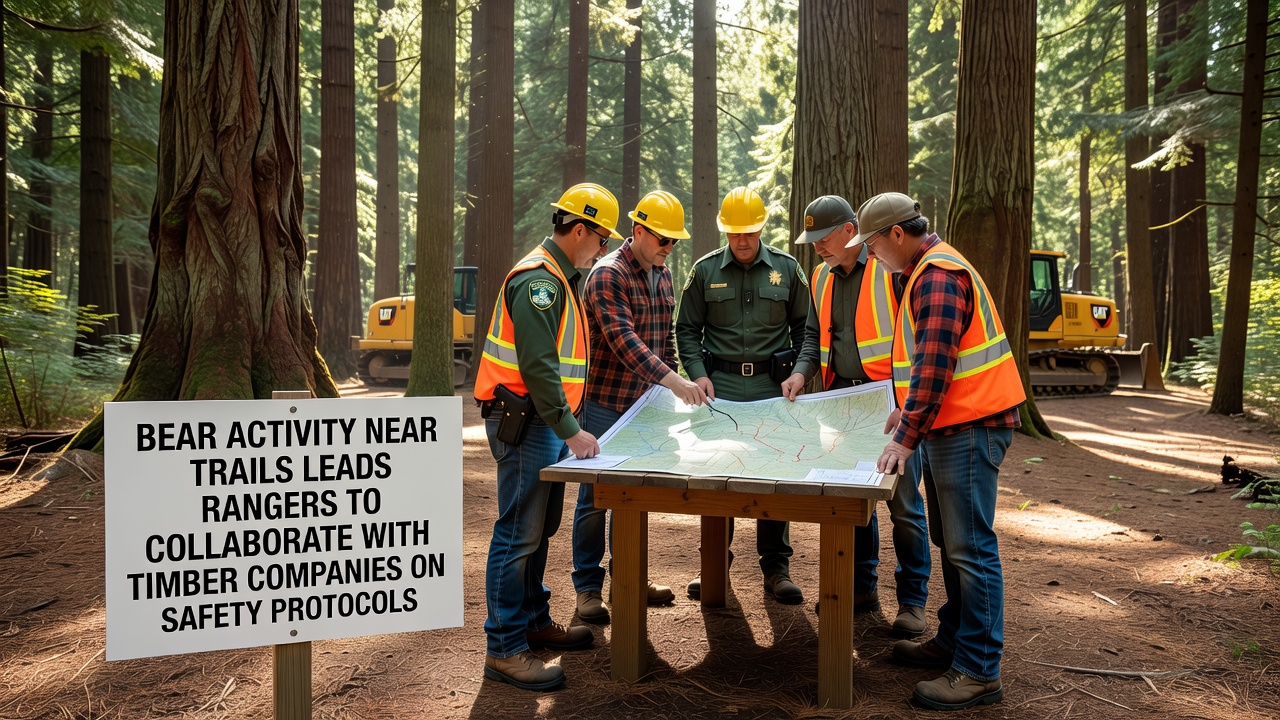
Forest rangers across several western regions have documented rising bear activity along established trails, and this pattern has prompted direct collaboration with timber companies to refine safety protocols that address both recreational users and logging operations, while data from monitoring programs shows increased sightings in areas where trails intersect with active harvest zones.
Observers note that black bears and grizzlies alike have expanded their range into these shared spaces, particularly during fall foraging periods, and agencies have responded by initiating joint working groups that include wildlife biologists, timber harvest planners, and trail maintenance crews who meet regularly to assess risks and adjust schedules accordingly.
Monitoring Data Drives Early Coordination
Trail cameras and GPS collar studies have revealed that bears frequently use the same corridors as logging access roads, and researchers from multiple universities have compiled seasonal movement data that highlights October as a peak period for human-wildlife overlap because both berry crops and timber hauling intensify at that time, while figures from 2026 indicate a 23 percent rise in reported encounters compared with the previous five-year average.
Those who manage public lands point out that simple signage alone has proven insufficient in high-traffic zones, so rangers now share real-time location alerts with timber operators who can then shift hauling times or close temporary roads when collared animals approach within a defined radius, and this information exchange occurs through secure digital platforms that both parties helped design.
Protocol Development and Implementation
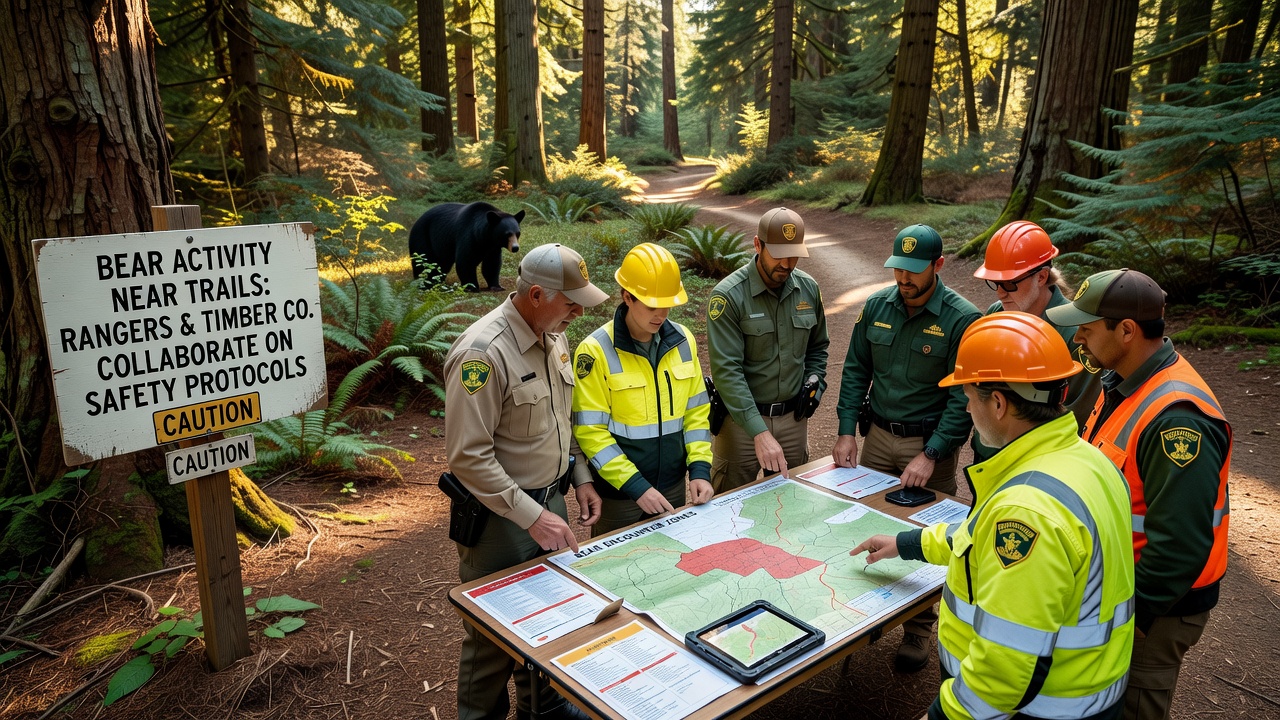
Joint teams have created layered safety measures that combine education, infrastructure adjustments, and operational timing changes, and one key element requires all timber crews to carry bear spray and complete annual training sessions that incorporate scenario-based drills developed with input from state wildlife departments, while trail users receive updated maps that flag recent activity hotspots without disclosing sensitive harvest details.
Additional steps include reinforced food storage lockers at trailheads near active cuts, and companies have agreed to suspend chainsaw work during dawn and dusk hours when bears are most active, yet these adjustments are reviewed monthly against fresh telemetry readings so that restrictions remain targeted rather than blanket in nature.
Regional Examples and Cross-Agency Learning
In one documented case from the Pacific Northwest, a mid-sized timber firm partnered with local rangers after multiple bears repeatedly entered a staging area, and the resulting plan involved rerouting a short section of haul road plus installing motion-triggered lights that activate only during non-operational periods, while similar approaches have been adapted in Canadian provinces where provincial wildlife officers contribute monitoring expertise to cross-border working sessions.
Academic reports from institutions in both the United States and Canada further support these tactics, and a 2025 study published by the University of British Columbia found that coordinated schedule changes reduced close encounters by nearly 40 percent on overlapping trail and road networks, whereas isolated measures yielded smaller gains because bears quickly habituated to static deterrents.
Operational Adjustments and Ongoing Evaluation
Timber companies have incorporated these protocols into their standard operating procedures, and crews now conduct pre-shift wildlife sweeps using handheld thermal devices that integrate with the shared alert system, while rangers continue to patrol trails with updated incident logs that feed back into the same database used by harvest planners, and this closed-loop information flow allows rapid refinement when new patterns emerge.
Budget allocations from both public agencies and private firms have supported the purchase of additional camera traps and protective equipment, and annual joint reviews scheduled for each spring evaluate effectiveness using metrics such as encounter frequency, response times, and compliance rates among workers and visitors alike.
Conclusion
Continued monitoring through the remainder of 2026 will determine whether these collaborative frameworks require further scaling, yet the current model demonstrates that shared data and synchronized operations can address bear activity near trails without halting either recreation or timber production, and future expansions may include drone-assisted surveys or expanded training modules that incorporate findings from additional geographic regions.