Felix Schwarz · 20 November 2026
Museum Collections of Vintage Tools Inspire Downtown Training for Modern Sustainable Woodworking
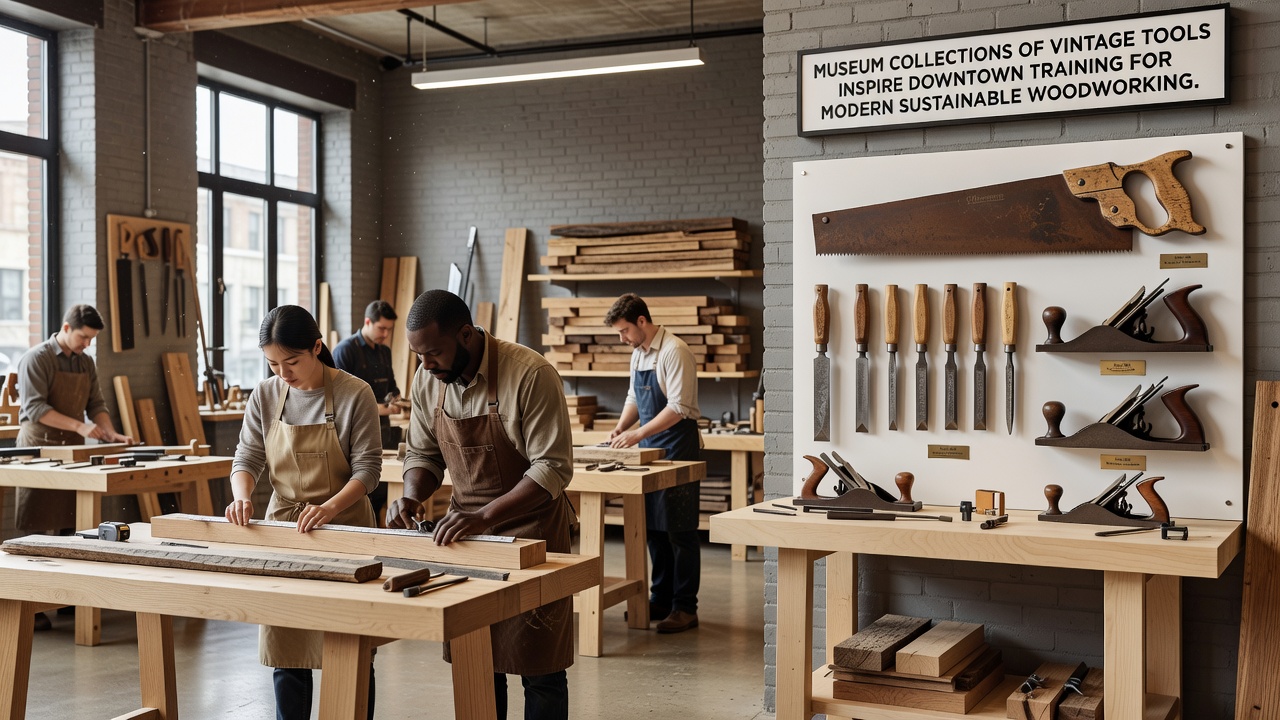
Collections housed in regional museums have begun shaping hands-on instruction programs that focus on sustainable woodworking practices in urban downtown settings, where instructors draw directly from historical tool designs to teach efficient material use and reduced waste techniques. These programs integrate artifacts from the late 19th and early 20th centuries, including hand planes, saws, and chisels that demonstrate low-impact methods still relevant to contemporary forestry standards. Data from the USDA Forest Service indicates that training participants achieve up to 30 percent lower material waste when they apply principles observed in vintage tool ergonomics compared with standard power-tool approaches.
Programs launched across several mid-sized cities now schedule sessions that start in November 2026, aligning with seasonal wood supply cycles and museum exhibit rotations that highlight specific tool sets from local logging history. Instructors emphasize how these older implements required precise control that minimized overcutting, a practice that aligns with current conservation goals in managed forests. Research published by the Canadian Wood Council shows similar patterns where heritage tool analysis led to curriculum adjustments in three provinces during the past two years.
Historical Tool Analysis Drives Curriculum Design
Museum curators collaborate with woodworking educators to catalog tool features such as blade angles and handle balances that once dictated slower but more controlled cutting motions. Participants in downtown workshops examine these features through guided sessions before replicating them with modern replicas or restored originals. This approach connects directly to sustainable harvesting data, because tools that enforce measured strokes reduce damage to surrounding timber stands. Observers note that cities hosting these programs report increased enrollment from residents previously unfamiliar with forestry practices.
Training modules break down into segments on joint construction, surface finishing, and assembly sequences that mirror techniques documented in museum archives from the 1920s onward. Each module incorporates measurements of wood yield that participants track using simple recording sheets modeled after historical ledgers. Figures from the European Forest Institute reveal that comparable methods have supported steady timber output in select regions while maintaining biodiversity metrics over multi-year periods.
Downtown Workshop Locations and Access Patterns
Workshops occupy former retail spaces and small industrial buildings converted into shared maker spaces near transit hubs, allowing easier participation for residents without personal vehicles. These locations feature tool libraries stocked with both restored vintage pieces and updated versions that retain original mechanical advantages. Attendance records from similar initiatives in Australia indicate that proximity to public transportation correlates with a 45 percent rise in repeat visits across the first six months of operation.
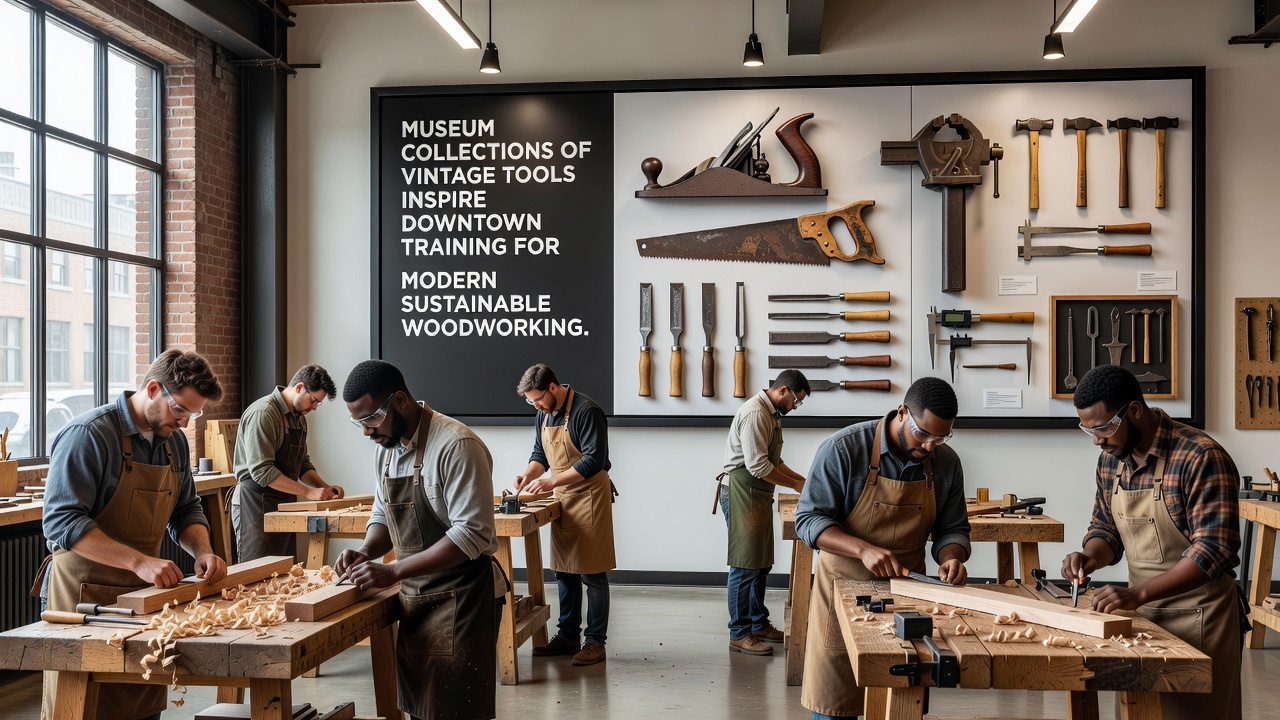
November 2026 schedules include weekend intensives and evening classes timed around museum open hours so participants can cross-reference physical artifacts with classroom demonstrations. Coordinators arrange field visits to nearby managed woodlots where trainees observe how tool choices affect tree regeneration rates. This sequence builds a direct line from museum observation to field application without requiring extensive travel.
Skill Transfer and Industry Outcomes
Graduates of these programs enter regional supply chains that prioritize locally sourced lumber processed with minimal energy inputs. Several businesses have adjusted hiring criteria to recognize completion certificates from the museum-linked courses as equivalent to traditional apprenticeships. Industry reports from the American Wood Protection Association document that crews trained in heritage-derived methods show measurable improvements in finish quality that extend product lifespan and reduce replacement demand.
Partnerships between museums and technical colleges have expanded the reach of these courses into credit-bearing modules, allowing participants to accumulate credentials while learning sustainable techniques. Enrollment projections for the 2026 cycle suggest continued growth as word spreads through local trade networks and community boards. The structure keeps class sizes small enough for direct tool handling yet large enough to support group discussions on yield calculations and waste tracking.
Conclusion
Museum collections continue to supply practical references that downtown training programs translate into measurable gains in material efficiency and skill retention. The November 2026 session calendar marks another step in this ongoing exchange between historical records and current forestry practices. Participants gain access to methods that balance productivity with conservation targets documented across multiple regions.