Avery Klein · 23 October 2026
Trail Renewal Projects Lure Tourists to Forests Where Timber Harvesting Meets Conservation Objectives
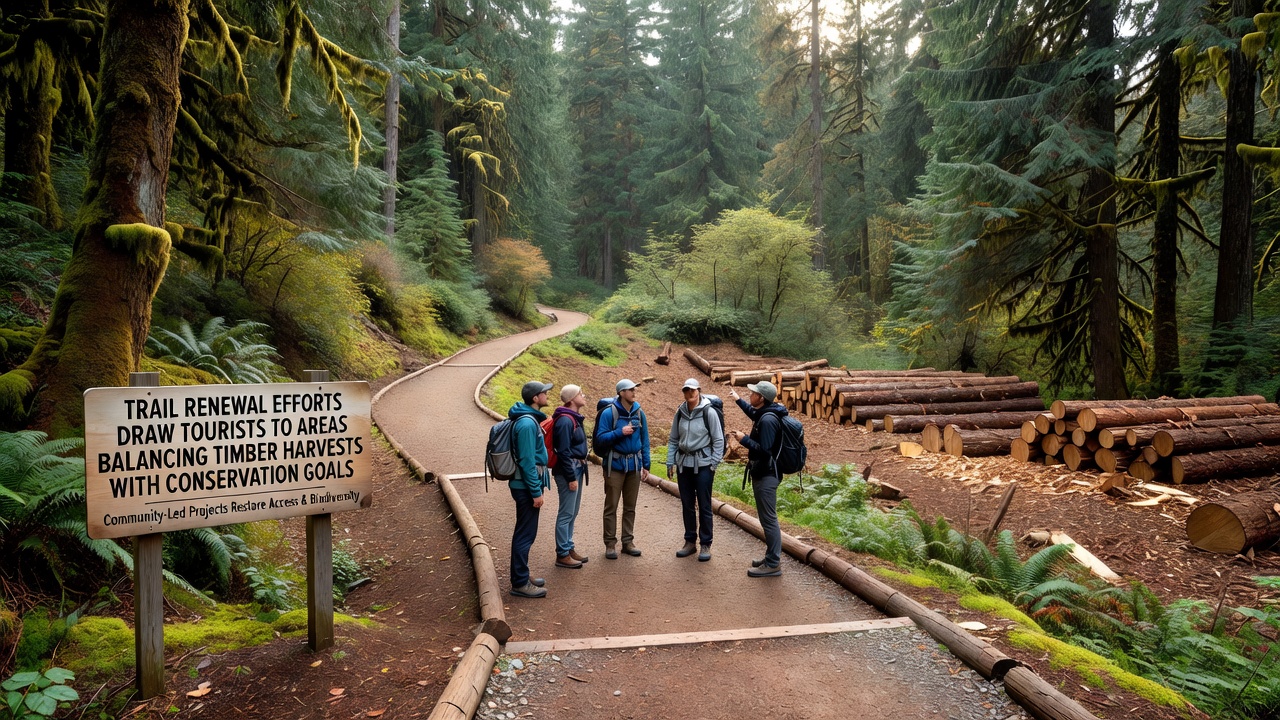
Trail renewal projects across multiple regions have begun drawing increased visitor numbers to forests where timber harvesting operations operate alongside targeted conservation measures, according to records compiled by forestry agencies in 2026. These initiatives focus on restoring and expanding trail networks while maintaining sustainable wood production schedules that protect key habitats and water sources. Data from October 2026 shows visitor counts rising in several managed forest zones, particularly where access routes were upgraded to accommodate both recreational use and equipment movement for selective harvests.
Background on Integrated Forest Management
Forestry districts have long coordinated timber harvests with habitat protection protocols, yet recent trail improvements add a tourism dimension that generates additional revenue streams for maintenance work. Government reports indicate that selective cutting practices, which remove only certain trees while preserving canopy cover, allow trails to remain open year-round without major disruptions. In one documented case, crews widened paths and installed drainage systems that simultaneously support hiker traffic and reduce soil erosion during logging equipment passage. Researchers at regional universities have tracked how these dual-purpose upgrades affect both wildlife corridors and visitor satisfaction metrics.
October 2026 figures from multiple districts reveal that trail usage increased by measurable percentages after renewal work concluded, with many visitors citing improved signage and stable surfaces as reasons for repeat trips. Conservation groups note that buffer zones around streams and nesting areas remain intact even as harvest cycles continue on adjacent parcels. This approach aligns with broader land management frameworks that prioritize long-term forest health over single-use designations.
Current Renewal Efforts and Their Implementation
Crews in several states have completed upgrades on over 150 miles of trails since early 2025, incorporating materials sourced from local mills that process wood from the same forests. These projects employ techniques such as crushed rock surfacing and elevated boardwalks in wet areas, which accommodate both foot traffic and occasional vehicle access for timber operations. According to US Forest Service planning documents, such infrastructure supports economic activity while meeting environmental standards set by federal guidelines. Workers often complete trail work during off-peak harvest periods to minimize conflicts.
What's notable is how these efforts integrate with existing road networks originally built for logging. Many renewed paths now branch from main haul routes that undergo regular grading, creating seamless connections for tourists exploring deeper into the woods. Data collected through trail counters shows peak usage on weekends, while weekday patterns align more closely with maintenance and harvest schedules. Observers note that signage updates help visitors understand active zones and avoid them during operations.
Tourism Growth and Economic Effects
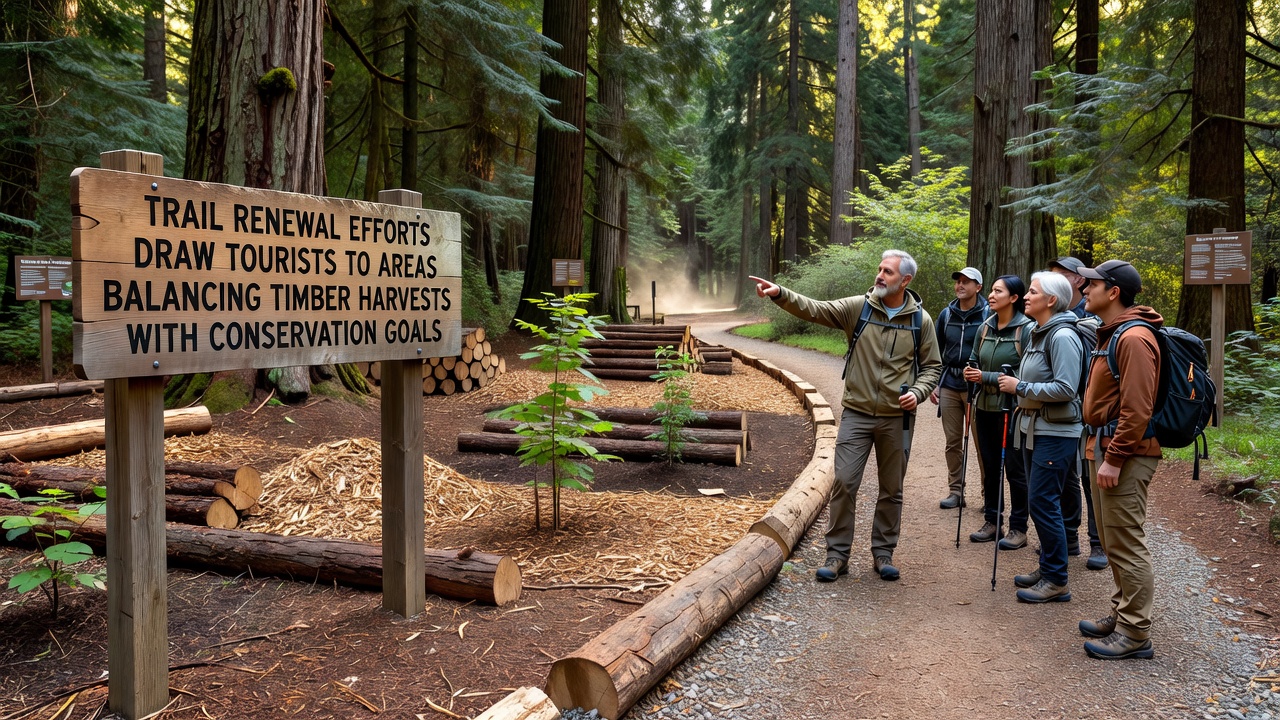
Visitor spending in nearby communities has risen in line with trail improvements, with lodging and equipment rental businesses reporting higher activity through the fall season of 2026. Studies from academic institutions indicate that tourists drawn to these balanced landscapes often extend their stays to learn about sustainable forestry practices through interpretive displays installed along paths. Regional economic data links this influx directly to trail accessibility rather than broader marketing campaigns.
Harvest schedules continue uninterrupted in designated zones, with timber volumes meeting production targets set by industry partners. Conservation measures include leaving older stands intact and creating wildlife passages that also serve as scenic viewpoints for hikers. Those managing the projects report that joint planning sessions between timber companies and recreation coordinators have reduced overlap issues and improved overall site conditions. Evidence from monitoring programs shows stable or improving populations of indicator species in these mixed-use areas.
Challenges and Ongoing Adjustments
Balancing heavy equipment movement with trail preservation requires careful timing and route planning, especially during wet months when soil compaction risks increase. October 2026 updates from district offices describe new protocols that limit harvest activity near high-traffic paths during peak tourist seasons. Adjustments include temporary closures posted well in advance and alternative route suggestions that keep visitors engaged without compromising safety or conservation buffers.
Funding for continued renewals comes partly from tourism fees and partly from timber sale revenues, creating a self-sustaining model observed in multiple districts. University-led assessments continue to evaluate long-term impacts on both recreation quality and wood supply reliability. These evaluations provide data that informs future project designs across similar landscapes.
Conclusion
Trail renewal work tied to balanced timber and conservation strategies has produced measurable increases in tourism while sustaining harvest levels, as documented through agency records and visitor data up to October 2026. The integrated approach relies on coordinated planning that accommodates multiple uses without sacrificing core environmental protections. Ongoing monitoring will determine how these patterns evolve as more districts adopt similar methods.